
Exploring the psychological tricks used by casinos
The Ambiance of Casinos
The first psychological trick employed by casinos is the creation of a captivating ambiance designed to engage and immerse players. This environment often incorporates bright lights, vibrant colors, and an upbeat soundscape. By using these sensory elements, casinos aim to stimulate emotions, creating a sense of excitement and urgency, especially when visiting mr luck casino , which enhances the overall experience. This ambiance encourages players to lose track of time, leading to extended play periods that ultimately boost the casino’s bottom line.
Additive to the sensory stimulation, casinos often employ the strategy of offering complimentary drinks and snacks. The purpose of this tactic is twofold: to establish a sense of hospitality while also encouraging players to stay longer. When individuals feel taken care of, they are more likely to stay in the environment and engage in gameplay. This psychological tactic not only enhances the overall experience but also lowers players’ inhibitions when it comes to spending money.
Another critical aspect of casino ambiance is the layout of the gaming floor. By designing the space in a way that encourages exploration and movement, casinos lead players to discover more games and slots, often resulting in unexpected expenditure. The strategic placement of high-stakes games near low-stakes options attracts a wide range of players and keeps them engaged longer. As players navigate through the colorful and enticing setup, they may feel compelled to try their hand at various games, increasing their likelihood of spending more money.
The Role of Rewards and Loyalty Programs
Casinos often leverage the psychological principle of reward systems to encourage repeat visits and spending. Loyalty programs are designed to create a sense of belonging among players. By offering points, bonuses, and other rewards, casinos make players feel valued, thereby reinforcing their commitment to the establishment. This sense of being part of a community can lead to habitual gambling behaviors, as players strive to unlock more benefits.
Additionally, these rewards can create an illusion of winning. Players often focus on the bonuses they receive rather than the money they are spending. This cognitive bias, known as “loss aversion,” results in players feeling more inclined to continue betting, believing that the rewards offset their losses. The excitement of earning rewards becomes intertwined with the experience of playing, making it difficult for players to walk away once they start.
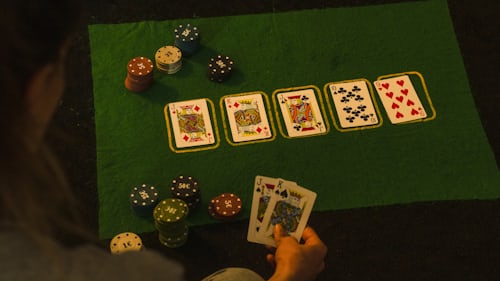
Moreover, personalized marketing through loyalty programs plays into the psychological aspect of gambling. Tailored offers based on a player’s behaviors and preferences can heighten their engagement and compel them to visit the casino frequently. When players perceive that the establishment knows them and is catering to their interests, they feel a deeper connection and loyalty, often leading to increased spending as they chase their next reward.
The Illusion of Control
A common psychological trick that casinos employ is the illusion of control, where players believe they can influence the outcome of games through skill or intuition. This misconception is particularly prevalent in games like blackjack and poker, where strategies are often taught and shared. Although these games do involve an element of skill, the outcomes are ultimately based on chance. Casinos tap into this illusion, encouraging players to engage in more betting because they feel empowered by their decision-making abilities.
This illusion is further reinforced through the use of player-controlled machines such as slot machines, where individuals can physically pull the lever or push buttons. The tactile involvement can create a false sense of agency over the outcome, which can be addictive. Understanding that they are ‘in control’ leads players to spend more time and money, as they believe that their actions can lead to greater returns.
The psychology behind the illusion of control extends to the storytelling often woven into various games. Many slots have captivating themes and narratives that involve progression and achievement, making players feel that their participation is part of a larger journey. This emotional engagement encourages ongoing play, as players become invested in the story and their perceived ability to influence the outcome, driving up their spending as they chase perceived victories.
The Impact of Near Misses
Near misses are another psychological trick that casinos cleverly utilize to keep players engaged. A near miss occurs when a player almost wins but ultimately does not. This phenomenon creates a sense of hope and encourages individuals to continue playing, as they feel that victory is just within reach. Research has shown that players are often more motivated by near misses than actual wins, which can lead to increased gambling behavior.

The concept of near misses can be seen in slots, where players might land two matching symbols only to fall short of a third. This experience can lead to a heightened emotional response, creating a dopamine release that reinforces the desire to continue spinning. Players may interpret these near wins as signs that they are “due” for a big win, prompting them to wager more in search of that elusive jackpot.
Casinos design games explicitly to maximize the impact of near misses. By calibrating the outcomes and payoffs, they can manipulate player perceptions and keep them invested in the gameplay. The combination of hope and statistical probability can create a cycle of play that leads to extended sessions and increased spending, solidifying the casino’s profitability.
The Digital Transition and Online Engagement
The rise of online gaming has brought about new psychological tricks that casinos can use to retain engagement in a digital format. The convenience of mobile devices allows players to gamble anywhere, making it easier to fall into the trap of impulsive spending. Casinos capitalize on this accessibility by employing tactics such as social gaming and gamification, where players are encouraged to participate in multiplayer modes and competitive challenges.
Online platforms also utilize algorithms to personalize the user experience, adjusting offerings based on individual preferences and playing habits. This tailored approach keeps players engaged and more willing to spend, as they feel a connection with the games being presented. Moreover, these platforms often use “soft launches” for new games, allowing players to explore without fully committing, which can lead to eventual spending as they become invested in the gameplay.
Furthermore, many online casinos offer promotional incentives such as free spins or bonuses for new users. These marketing strategies leverage the psychological notion of ‘free’ to create a sense of value, luring players into trying out games with little perceived risk. Once players are on the platform, the ease of making deposits and engaging in play can quickly lead to real money gambling, underscoring the effectiveness of these digital engagement techniques.